
It is entirely understandable to search for a quick fix when you notice a cyst on your skin. They can be uncomfortable, unsightly, and for many people, the idea of a minor surgical procedure feels daunting. You might be wondering whether there is something you can do at home to drain it, squeeze it, or remove it yourself.
The short answer is no. Attempting to remove a cyst at home is not a safe option, and in most cases it will make the problem significantly worse. This guide explains why DIY cyst removal is dangerous, what professional treatment involves, and how to get a cyst removed safely at Minor Surgery Clinic.
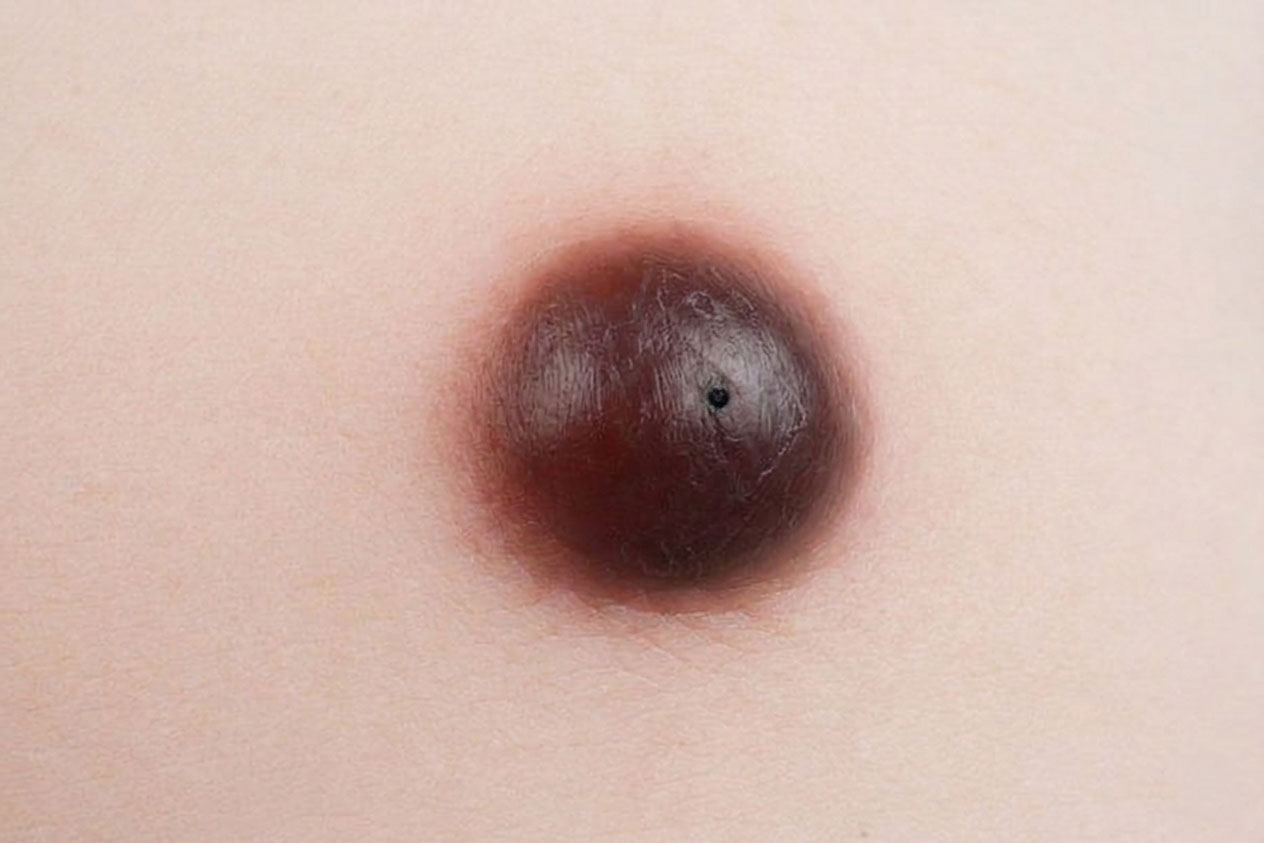
Cysts are enclosed sacs beneath the skin that contain fluid, keratin, or other material. Unlike a spot or a superficial blemish, a cyst has a distinct wall, or capsule, that surrounds and contains its contents. This is the key reason home removal attempts so often go wrong.
If you attempt to squeeze or drain a cyst, you may release some of the contents, but the cyst wall remains in place beneath the skin. Without removing the capsule, the cyst will almost always refill and return. In many cases it comes back larger and more inflamed than before.
Attempting to pierce or cut a cyst at home, using needles, pins, or other implements, introduces bacteria into the area. This can lead to a painful infection, with redness, heat, swelling, and discharge. An infected cyst is more difficult to treat, more painful to manage, and may require a course of antibiotics before it can be safely removed by a clinician.
Disrupting the skin around a cyst without the right technique and instruments can cause unnecessary trauma to the surrounding tissue. This increases the risk of scarring that is more significant, and harder to manage, than the small scar left by a professional procedure carried out under local anaesthetic.
While most cysts are benign, any new or changing lump beneath the skin should be examined by a qualified clinician. Attempting to deal with it at home without a clinical assessment means that a potentially important diagnosis could be missed. This is particularly relevant if the cyst has grown quickly, is unusually firm, or has changed in character.
At Minor Surgery Clinic we treat a wide range of cyst types at our clinics in Harley Street, London and Bexleyheath, Kent. The most commonly treated include sebaceous cysts and epidermoid cysts, both of which form in the skin and can appear anywhere on the body. Pilar cysts, which typically form on the scalp, are also frequently removed, as are ganglion cysts, which develop near joints and tendons.
Each type of cyst is slightly different in structure and location, which is why a proper clinical assessment before treatment is important. Our surgeons will examine the cyst, confirm what type it is, and advise on the most appropriate removal technique.
Some cysts remain stable for years without causing problems. In these cases, treatment may not be urgently necessary unless the cyst is causing discomfort or cosmetic concern. However, cysts can also grow over time, become infected, or rupture spontaneously beneath the skin, causing a painful inflammatory reaction. Once a cyst has become infected or ruptured, treatment becomes more complex and the likelihood of scarring increases.
If your cyst is growing, becoming tender, showing signs of redness or warmth, or has already become infected, it is important to seek professional advice promptly rather than attempting any home treatment.
At Minor Surgery Clinic, cyst removal is a straightforward outpatient procedure carried out under local anaesthetic at our clinics in Harley Street, London and Bexleyheath, Kent. Appointments are typically available within a short waiting time, with no lengthy NHS referral process to navigate.
Your surgeon will make a small, precise incision to expose and remove the entire cyst, including the capsule wall. Removing the capsule in full is what prevents the cyst from returning. The incision is then carefully closed with sutures, minimising any scarring as much as possible.
Most patients are comfortable throughout and are able to return to normal daily activities within a day or two. Sutures are usually removed at a follow-up appointment around seven to ten days later. The procedure is quick, well-tolerated, and leaves a far smaller mark than an infected or repeatedly squeezed cyst would.
Cyst removal is available on the NHS, but it is frequently declined when the cyst is considered cosmetic rather than clinically necessary. Many patients wait months for a GP referral only to be told that their cyst does not qualify for NHS treatment. If your cyst is causing you discomfort, affecting your confidence, or simply something you would like resolved without a lengthy wait, private treatment offers a faster and more straightforward route.
If you have a cyst that is causing concern, the safest and most effective course of action is to have it assessed and removed by a qualified surgeon. Our clinicians at Minor Surgery Clinic are experienced in the removal of a wide range of skin lesions, and will guide you through every step of the process in a calm, professional setting.
We offer consultations and procedures at our Harley Street clinic in central London and at our Bexleyheath clinic in Kent. Getting to us is straightforward from across London and the South East. To book a consultation or to find out more about cyst removal, please contact our team today. A safe, professional procedure is always a better option than attempting to manage the problem yourself at home.