
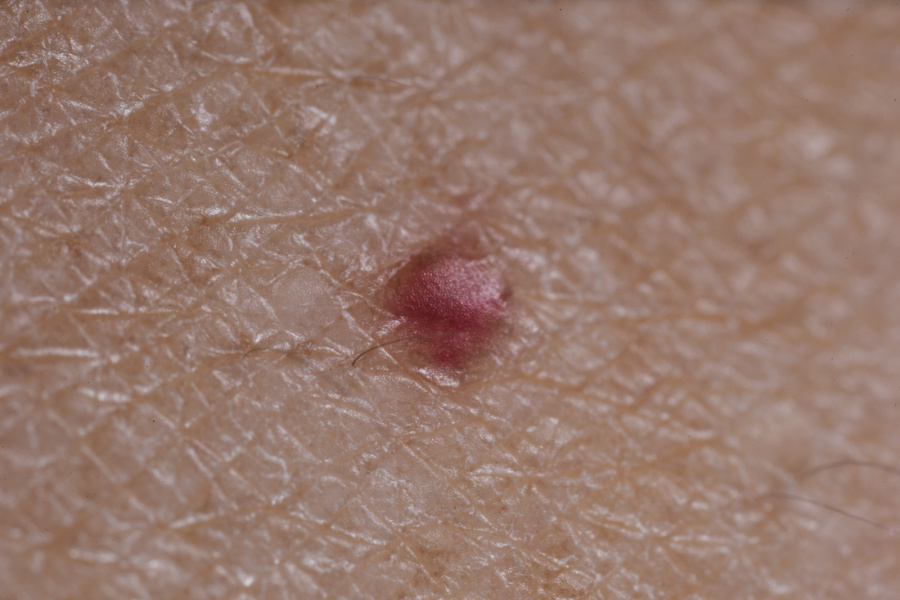
Basal cell carcinoma is the most common form of skin cancer. While receiving a diagnosis can be unsettling, it is highly treatable. If you’ve recently had a procedure to remove basal cell carcinoma, understanding the recovery process can help you feel prepared and support a smoother healing journey.
Surgical excision involves removing the skin cancer along with a small margin of healthy tissue. The wound is then closed with stitches. This method is used for larger or deeper basal cell carcinomas and ensures complete removal.
First Few Days
Common Side Effects
Long-Term Care
Mohs surgery is a precise treatment for basal cell carcinoma. The procedure involves removing thin layers of skin, which are examined under a microscope to ensure all cancer cells are removed. This technique helps reduce the risk of recurrence while preserving healthy tissue.
First Few Days
Common Side Effects
Long-Term Care
ED & C is often used for small or less aggressive basal cell carcinomas. The cancerous tissue is scraped away, and an electric needle destroys any remaining cells.
First Few Days
Common Side Effects
Long-Term Care
Knowing when to seek help is important for a safe recovery:
Signs of Infection
Persistent or Increasing Pain
Unusual Changes
Follow-Up Appointments
At The Minor Surgery Clinic, we provide complete skin cancer care, including diagnosis, treatment, and ongoing recovery support. Our team offers Mohs surgery and other treatments tailored to each patient. We focus on ensuring a safe, effective recovery while preserving the best possible cosmetic outcome.
To schedule a consultation or learn more about basal cell carcinoma treatments, contact The Minor Surgery Clinic today. We are here to support you every step of the way.